

Why “Fast Furniture” Fails—and How Japanese Craftsmanship Redefines Longevity
“Fast furniture” is essentially the home-furnishings equivalent of fast fashion—affordable, mass-produced, and designed with a short lifespan in mind. These pieces are often intended to be replaced every few years.
In contrast, slow furniture reflects a philosphy rooted in craftsmanship, premium materials, and longevity—furniture you can repair, maintain, and enjoy for decades, especially when it is made in Japan.
This guide explores the key differences between the two and how to make smart, long-term decisions for your home.
Reference Video: BBC (United Kingdom)
About Our Guide: Taiyo Tsutsumi
 |
Taiyo Tsutsumi is the President and CEO of Okawa Kagu Dot Com Co., Ltd. and a certified real estate transaction specialist. Born and raised in Okawa City, Fukuoka Prefecture—Japan’s renowned furniture town—he began assisting with his family’s furniture wholesale business in 2006. Driven by a passion to share high-quality, domestically made furniture with the world, he launched the online store Okawa Kagu Dot Com that same year. |
Why Fast Furniture Has Become So Common
- The rise of social media trends encouraging frequent “interior makeovers
- Accelerated price competition driven by e-commerce
- More short-term living situations such as relocations and temporary housing
Affordability and convenience are undeniable advantages, but these products often rely on thin composite boards and simplified joints, leading to shorter lifespans.
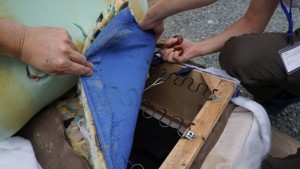
Reference article: We dismantled imported and Japanese-made sofas for comparison
A Tip from Our Expert, Taiyo Tsutsumi:
|
When furniture is designed to last only a few years, the materials naturally become lighter and structurally weaker. If you plan to replace pieces frequently, that may be acceptable—but for any item used daily, durability matters far more than short-term cost. |
The Hidden Costs of Cheap Furniture (Environment, Indoor Air, Repairability)
- Environmental Impact: Short life → more disposal → increased resource loss and CO₂ emissions
- Indoor Air Quality: Inconsistent control of adhesives and paints can raise VOC risks (reference: low-cost imported furniture chemical concerns)
- Difficult to Repair: Many pieces are not built for refinishing or part replacement
The Value of Slow Furniture: The Strength of Long-Lasting Japanese Craftsmanship
- Robust Construction: Traditional joinery and optimized hardware designed for decades of use
- Repairable: Repainting and component replacement extend lifespan significantly
- Beautiful Aging: Solid wood and high-quality veneer develop richer character over time
- Emotional Value: Every scratch and mark becomes part of a family’s history
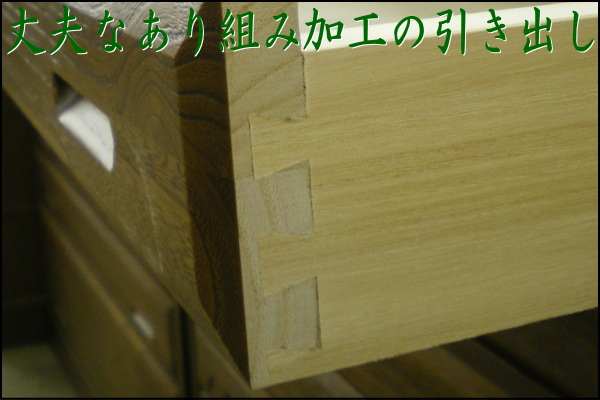
A Tip from Our Expert, Taiyo Tsutsumi:
|
High-quality Japanese furniture isn’t just “durable”—it’s engineered so that almost every part can be serviced. Unlike disposable furniture, good pieces are designed with the assumption that they will be repaired and loved for generations. |
Okawa Kagu Dot Com: Our Philosophy & Product Standards
We exclusively curate authentic, Japanese-made furniture crafted by artisans in Okawa, Fukuoka. Our selection criteria include:
- Chemical Safety: Low formaldehyde materials rated F☆☆☆ or higher (aiming for F☆☆☆☆ only)
- Physical Safety: Rounded edges and structural integrity suitable for children and seniors
- Ethical Production: No illegally sourced wood; fair labor at domestic factories
- Design Satisfaction: Custom options for size, wood species, and storage configuration
Within these standards, we apply even stricter internal criteria to recommend furniture that can truly remain part of your life for decades.
Details: Okawa Kagu Dot Com Sty Product Policy
How to Choose Furniture: Think in Terms of Time, Not Just Price
A helpful approach is to ask yourself: “How long do I want this piece to stay in my life?”
- Short-term use (relocation, temporary housing): Lightweight, assembly-based fast furniture is rational
- Long-term use (family home, investment furniture): Choose Japanese-made, repairable, F☆☆☆☆-certified slow furniture
Guide to long-lasting furniture: How to Choose High-Quality Furniture
Frequently Asked Questions (FAQ)
Q1. Is slow furniture impractical when raising young children?
Not necessarily. Refinishing and part replacement can restore most high-quality pieces. If you want furniture that becomes part of your family’s memories, slow furniture is ideal. That said, if “easy and worry-free” is your priority right now, fast furniture can also be a reasonable temporary choice.
Q2. How big is the price difference? Which is cheaper overall?
Fast furniture is cheaper upfront. However, when you consider replacement cycles, disposal costs, and repairability, slow furniture can be more economical in the long run. Because this varies by product, the safest approach is to compare specific pieces—consulting a specialist is recommended.
Q3. Where should I start when upgrading my furniture?
Begin with items you touch every day—dressers, cabinets, dining tables. These deliver the biggest improvement in quality of life.
Important Notes & Exceptions
- This article presents general principles. The best choice depends on materials, construction, manufacturing, and warranty.
- Durability and cost-performance vary significantly by product. When in doubt, ask a specialist.