

Furniture Buying Guide: 5 Rules for Choosing the Right Furniture
Conclusion First: Choosing Furniture Becomes Easier When You Decide Your Criteria First
The biggest pitfall in choosing furniture is making a decision based only on the first impression that something “looks good.” Price, design, reviews, size… the more you look, the more information you gather, and the harder it becomes to decide. That is why the first thing to do is not to search for furniture itself, but to organize your own decision-making criteria—your personal rules for choosing furniture. In this article, Tsutsumi, with 20 years of experience in furniture sales, 7 years working for a housing planning company, and qualification as a licensed real estate transaction specialist in Japan, explains how to create criteria you can return to whenever you feel lost.
Why You Need Decision-Making Criteria: The Real Reason Furniture Choices Feel Difficult
Choosing furniture is difficult because what is “good” changes from person to person. And with furniture, satisfaction is not decided at the moment of purchase, but by how it feels after you continue using it. For example, even with the same sofa, the right choice will differ depending on whether someone prioritizes:
- Appearance above all else
- A comfortable seat that does not strain the lower back
- Durability against stains and wear from children
Without clear criteria, it is easy to be influenced by the charm you felt in the store or by strong words online, such as rankings and reviews. With clear criteria, you can move more directly toward the right answer for you.
The 5 Pillars for Creating Your Own Furniture-Choosing Criteria
When you feel unsure, try organizing your thoughts in the following order. Since it is difficult to make everything perfect, the key is to set priorities.
1) Purpose: What Problem Do You Want This Furniture to Solve?
First, put the purpose into words—not just the basic use.
- Example: Sofa
- × “I want a sofa in the living room.”
- ○ “I want to create a place where my family can relax for 30 minutes every day.”
- Example: Dining table
- × “I want a table for the dining room.” This purpose is vague, so decisions about size, shape, and material can easily become inconsistent.
- ○ “I want to use it not only for meals, but also for my child’s homework and working from home.”
When the purpose is vague, your decision-making axis tends to shift. When the purpose is clear, it becomes much easier to separate what functions are necessary from what functions are not.

2) Limitations: Fix the Size, Traffic Flow, and Delivery Route First
No matter how attractive a piece of furniture is, you cannot choose it if it does not fit. This is where it is safer to confirm real-world limitations first, rather than relying on emotion.
- Installation size: width, depth, and height
- Traffic flow: whether people can pass, drawers can open, and doors will not hit anything
- Delivery route: entrance, hallway, stairs, elevator, corners, and whether window delivery is possible
- Future changes: moving, family structure, and room layout changes
One thing I recommend is marking the furniture footprint on the floor with tape, even roughly. It helps you feel the actual size, and it greatly reduces mistakes.
3) Usage: Who Will Use It, How Often, and How Will It Be Treated?
Furniture has different strengths and weaknesses depending on how it is used.
- Small children or pets → materials that resist stains and scratches, washable covers
- Everyday use → prioritize durability and ease of maintenance
- Frequent guests → consider not only appearance, but also seating capacity and traffic flow
Will you use it carefully, or do you want something that can handle a bit of rough use? Being honest about this will reduce hesitation when choosing materials.
4) Quality: Can It Be Used for a Long Time?
This greatly affects long-term satisfaction. If you want to use furniture for many years, check the following points.
- Structure: whether the frame and joints are stable and resistant to wobbling
- Cushions: how easily they may sag, the type of filling, and whether replacement is possible
- Upholstery: resistance to abrasion, stains, and sun damage
- Repair: whether parts replacement, reupholstery, or refinishing is available
- Supply: whether parts will likely remain available in the future
 Three Structural Reasons Cheap Furniture May Deteriorate Within Five Years Going forward, we will also explain topics such as how internal structure changes furniture lifespan even when the appearance looks similar, and real examples of repairing and continuing to use furniture, including cost and time required, using photos and actual products.
From my experience, furniture becomes more satisfying when you “raise” it rather than simply “buy” it. Furniture that can be repaired or reupholstered gradually becomes part of your life.
5) Sense of Beauty: What Do You Personally Feel Is Beautiful?
Finally, design. Design is important, but I place it last because people are naturally moved by appearance. By judging design at the end, you can reduce impulse purchases. When in doubt, decide on one rule for the whole room.
- Keep the wood tone consistent: yellowish, reddish, or grayish
- Match the direction of leg thickness or slimness
- Lean toward either straight lines or rounded shapes
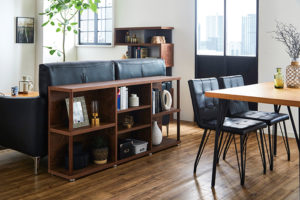 Once you have this rule, it becomes easier to create harmony when adding furniture later.
Common Mistake: Choosing a Sofa by Design, Then Feeling Stressed Months Later
This is a very common pattern.
- You fall in love with the look in the store and buy it
- But the seat is too firm, too shallow, or the backrest is too low
- Before long, you spend more time sitting on the floor, and the sofa is used less and less
If you choose only because something looks stylish, small daily stresses can build up. On the other hand, if you decide your purpose, limitations, usage, and quality first, you will have a place to return to even when you feel unsure about appearance.
Three Final Questions When You Cannot Decide
When you are torn between A and B, try asking yourself these three questions.
- Which one will I use every day? The one used more often is more likely to lead to satisfaction.
- Which one can I still say I like five years from now? Choose based on your own standards, not just trends.
- Which one is easier to maintain or repair? This supports long-term satisfaction.
Summary: Choose Furniture in the Order of Criteria → Comparison → Decision
When choosing furniture, the order matters.
- Decide your personal decision-making criteria
- Compare only the options that meet those conditions
- When unsure, return to your criteria and decide
By following this order, you are less likely to be overwhelmed by information, and you can reduce regret.
Turn Your Criteria into a Checklist and Reduce Confusion
We have summarized the content of this article into a practical checklist. When you feel unsure about choosing furniture, simply fill in the checklist and your own “right answer” will become clearer.
