

Why Japanese Furniture Works So Well in Humid Climates
Humidity-Friendly Furniture from Japan
Updated for 2026.
Japan is one of the more humid countries in the world.
From the rainy season to the hot summer months, many people in Japan have long struggled with damp air, uncomfortable nights, mold concerns, and moisture inside closets and storage furniture.
Because of this climate, traditional Japanese homes and furniture developed with one important idea in mind:
Let air flow. Let moisture escape.
Before air conditioning became common, Japanese people relied on natural materials and thoughtful structures to stay comfortable. Tatami mats, igusa rush grass, paulownia wood, and slatted wooden bases were all part of this wisdom.
Tatami and igusa offer a naturally fresh and dry touch. Paulownia wood has long been used in Japan for storing kimono and valuable clothing. Slatted bases help air move underneath bedding.
In Japan, furniture has never been only about decoration. In many cases, it has also been a practical tool for living comfortably in a humid climate.
Here are four Japanese furniture pieces designed with moisture, airflow, and everyday comfort in mind.
1. Japanese Hinoki Wood Tatami Bed
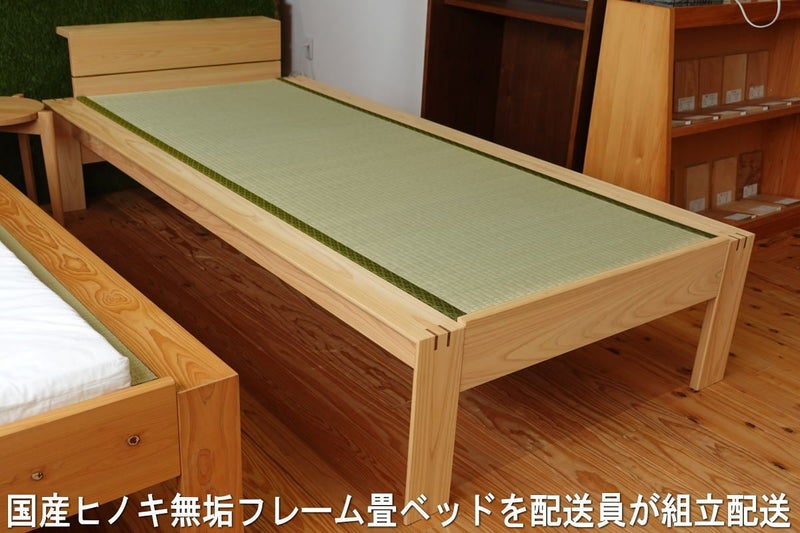
This tatami bed combines Japanese hinoki wood with natural tatami.
The slatted base under the tatami helps moisture escape while you sleep. The natural scent and texture of hinoki also create a calm, refreshing bedroom atmosphere.
For those who want to experience traditional Japanese sleeping culture in a modern home, this bed is a beautiful choice.
2. Paulownia Dot Slatted Bed
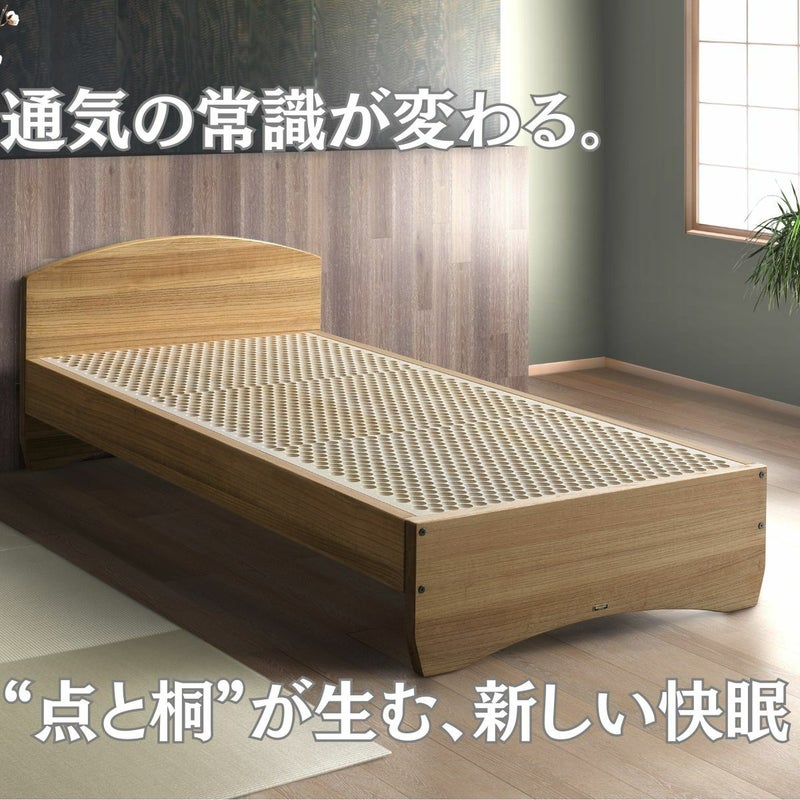
This bed is designed to reduce the contact area between the mattress or futon and the bed surface.
The dot-style slatted structure allows air to pass through more easily, helping reduce trapped moisture under bedding.
Paulownia wood has been used in Japan for generations, especially for storage furniture that protects valuable clothing such as kimono.
It is a smart choice for anyone who cares about airflow and moisture control in the bedroom.
3. Paper Cord Dining Chair

In humid weather, fabric or synthetic leather chairs can sometimes feel sticky or stuffy.
A paper cord seat offers a lighter, more breathable sitting experience. Air can pass through the woven seat, making it feel less sticky and more comfortable during warm seasons.
Its natural texture also pairs beautifully with simple, calm interiors.
4. Kumamoto Igusa Rush Rug

Igusa rush grass has been used in Japanese tatami mats for centuries.
It has a smooth, fresh touch that feels especially pleasant during humid and hot seasons.
This rug is made with igusa from Kumamoto, one of Japan’s well-known igusa-producing regions. It brings a cool, natural feeling to the living room while adding a touch of Japanese tradition.
Japanese Wisdom for Humid Living
Tatami, igusa, paulownia, slatted wood, and paper cord all reflect the same idea:
Live with nature, not against it.
These materials were shaped by Japan’s humid climate and by generations of everyday experience.
If you want to create a home that feels calmer, fresher, and more comfortable, Japanese humidity-friendly furniture may be a wonderful place to start.
